Entry · Ref 35YP9RC5
Bicycle Accident Lawyer Help for Pedal Cyclists Hit by Speeding Drivers
- Posted
- 2026-10-19
- Last amended
- 2026-10-19
- Account
- @cashusqz447
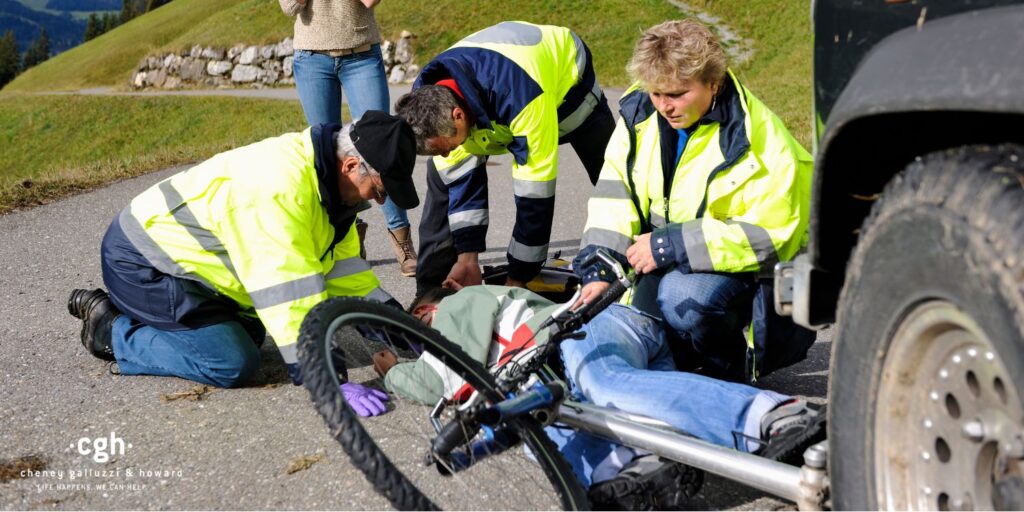
A speeding driver can turn an ordinary bike ride into a trauma scene in a matter of seconds. One moment a rider is moving through a neighborhood street, a marked bike lane, or the shoulder of a road they use every day. The next, they are on the pavement with a crushed wheel, a broken collarbone, and a rush of noise that does not fully register until much later. These cases are rarely minor. When a motor vehicle strikes a bicycle at high speed, the cyclist’s body takes the full force of the impact.
That reality shapes everything that follows. Medical care is often urgent and expensive. Work is interrupted. Bikes and safety gear are destroyed. Families suddenly have to manage hospital visits, insurance calls, and legal questions while the injured rider is still trying to sit up without pain. In that setting, a Bicycle Accident Lawyer is not there simply to file paperwork. The right lawyer helps preserve evidence, frame liability correctly, deal with insurance pressure, and put a realistic value on what the crash has actually cost.
The legal side of a bicycle collision is often more technical than injured riders expect. Many people assume the case is straightforward because the driver was speeding. Sometimes it is. Often it is not. Speed matters, but it is only one part of proving fault and recovering fair compensation. Road design, visibility, lane position, witness accounts, injury timing, helmet damage, bike damage, camera footage, and medical documentation all start to matter very quickly.
Why speeding changes the case
Most drivers know speed limits are not suggestions. What many do not appreciate is how sharply injury severity rises as speed increases. A cyclist hit by a car traveling 20 miles per hour may suffer serious injuries. A cyclist hit at 35 or 45 miles per hour is in a different category altogether. The stopping distance is longer, the driver has less time to react, the impact energy is far higher, and the rider is more likely to be thrown, dragged, or struck a second time by the vehicle or roadway.
From a legal standpoint, speeding can support negligence in several ways. It may show that the driver failed to operate the vehicle with reasonable care. It may explain why the driver could not stop in time for a visible cyclist. It may undermine the insurer’s claim that the rider “came out of nowhere.” In some cases, excessive speed can support a claim for punitive damages, though that depends heavily on state law and the facts. Ordinary speeding is not always enough for that kind of claim, but reckless conduct combined with racing, intoxication, phone use, or fleeing the scene can change the picture.
There is also a practical point that experienced lawyers pay attention to early. Speeding drivers often create wider fields of evidence. Skid marks, event data recorder information, surveillance footage, vehicle damage patterns, and throw distance can all help reconstruct what happened. Those details can disappear if no one moves quickly.
The first hours after the crash matter more than most people realize
In severe bicycle collisions, the rider is frequently taken from the scene by ambulance. That means someone else controls the bike, the helmet, and many of the personal belongings. Meanwhile the driver has usually already started shaping a narrative. Sometimes it is innocent confusion. Sometimes it is self-protection. Either way, the story begins before the cyclist has a chance to tell it.
This is where legal help can make a concrete difference. A Bicycle Accident Lawyer will usually want the police report, body camera footage if available, 911 audio, photographs of the roadway, contact information for witnesses, and preservation of the bicycle exactly as it was after impact. A cracked helmet, bent fork, damaged lights, and torn clothing may later help show impact angle, visibility, and force. Those items should not be thrown away just because they look ruined. In many cases, they are evidence.
Medical timing matters just as much. Riders sometimes feel embarrassed by the attention after a crash and say they are “probably okay,” only to wake up the next day with a concussion, wrist fracture, rib pain, or back spasms. Adrenaline covers a lot. So does shock. Delayed treatment creates two problems. The injury may worsen, and the insurer may argue the pain came from something else. Prompt evaluation closes that gap.
One pattern comes up often in practice. A cyclist gets hit, refuses the ambulance, goes home, then starts feeling neck pain, headaches, or numbness later that evening. By the time they seek care, the driver’s insurer is already asking why the injuries were not serious enough to treat at the scene. It is a predictable argument, and it is one reason early medical documentation matters even when the rider thinks the injury is modest.
Insurance companies do not evaluate bicycle claims the way injured riders expect
After a car crash involving two drivers, both sides tend to think in terms of vehicle damage and treatment records. Bicycle collisions are different. The bike itself may be worth a few hundred dollars or many thousands. Carbon frames can hide structural failure. Wheels that look slightly bent can be unrideable. Electronic drivetrains, power meters, custom saddles, lights, cameras, and helmets add cost quickly. Yet insurers often treat the bike as if it were little more than outdoor equipment.
That same minimization can spill over into injury assessment. Riders hear comments such as, “At least you were wearing a helmet,” or, “The vehicle damage wasn’t that bad.” Neither statement tells you much about the person’s body. A low visible dent to a bumper can still coincide with a shattered elbow, torn meniscus, or traumatic brain injury. Cyclists are exposed. They do not benefit from airbags, seat belts, door frames, or crumple zones.
A lawyer who handles these cases knows how to present the losses in a way insurers cannot easily brush aside. That usually means pulling together not just bills, but the whole picture: emergency care, imaging, orthopedic follow up, physical therapy, lost earnings, out of pocket costs, replacement of damaged gear, and the harder to quantify loss of mobility and normal life. If the rider commuted by bike, there may also be transportation costs during recovery. If the rider was competitive or highly active, the loss of training time and function may matter in a real and documentable way.
The challenge is not merely gathering records. It is explaining significance. A shoulder injury may sound routine until you understand that the rider cannot lift the bike onto a rack, carry groceries, type for full workdays, or sleep without pain. A hand fracture may seem temporary until you realize it affects braking, shifting, grip strength, and any job involving tools, keyboards, or patient care.
Liability is often disputed even when the driver was plainly going too fast
People tend to assume speed settles fault. It helps, but insurers often raise every plausible defense they can. They may say the cyclist was outside the bike lane, not visible, not using lights, wearing dark clothing, moving unpredictably, or entering traffic too suddenly. Whether those claims hold up depends on the evidence and the state’s comparative negligence rules.
Many valid bicycle claims involve riders who were not in a marked bike lane at all. A cyclist may legally occupy part or all of a traffic lane when needed for safety, to avoid debris, to prepare for a turn, or because no bike lane exists. Drivers often misunderstand this. Some insurers lean into that misunderstanding. They speak as if the road belongs to cars and bicycles are guests. That is not how traffic law works in most places.
The road environment matters too. Consider two common examples. In the first, a driver speeds through an urban corridor and clips a cyclist while passing too closely. In the second, a driver races through Bicycle Accident Lawyer a residential stop sign and hits a rider crossing with the right of way. Both involve excessive speed, but the legal proof may look different. The first may hinge on lane width, passing distance, and side impact damage. The second may turn on sight lines, stop control, and witness timing. A lawyer who understands bicycle dynamics can build each case around the facts that matter, rather than treating every crash like a generic fender bender.
There are also cases where the driver’s conduct after impact becomes part of the claim. A motorist who speeds, hits a cyclist, and then blames the rider before checking on them can damage their credibility. A driver who leaves the scene creates even bigger issues. Hit and run bicycle crashes often require an entirely different insurance strategy, including uninsured motorist claims where available.
What a Bicycle Accident Lawyer actually does behind the scenes
From the outside, people often see only the settlement demand or the lawsuit. The real work begins much earlier and is more granular than most clients expect. It may include securing video from nearby businesses before it is overwritten, identifying whether the vehicle had telematics data, obtaining crash scene measurements, consulting an accident reconstruction expert, and locating independent witnesses the police did not interview.
A careful lawyer also pays attention to what is not in the official record. Police reports are helpful, but they are not infallible. Officers may arrive after the collision, talk mostly to the driver, or misunderstand bicycle positioning. In serious injury cases, the rider may be unable to give a statement at the scene. That gap can shape the report in ways that need to be corrected through photographs, witness statements, and physical evidence.
Medical development is another major part of the job. Many cyclists do not know the full extent of their injuries for weeks or months. A fracture may require surgery after conservative treatment fails. A concussion may reveal persistent cognitive symptoms after the rider tries to return to work. Knee pain may turn out to be a ligament injury once swelling goes down and imaging is completed. Settling too early can be costly because once the release is signed, the case is usually over.
This is one reason experienced lawyers sometimes tell impatient clients to wait, even when an early offer feels tempting. Immediate money can be attractive when bills are mounting, but a fast settlement often means the insurer is buying the claim before the medical picture is clear. That is rarely a coincidence.
Damages in a serious bicycle collision are broader than medical bills
Some losses are obvious. Ambulance transport, emergency room care, surgery, rehabilitation, prescriptions, and follow up visits all belong in the claim. Lost wages are also straightforward in principle, though proving them can be tricky for self employed riders, gig workers, seasonal workers, and people whose income depends on physical output.
Other losses require more careful explanation. Pain and suffering is the term most people know, but it can sound vague until you connect it to specifics. Can the rider sleep through the night? Can they climb stairs, drive, care for children, sit through a workday, or return to their prior exercise routine? Do they have anxiety at intersections or panic when vehicles approach from behind? Those effects are common after a bike crash, especially when the impact involved high speed.
Permanent impairment is where cases can become much more substantial. A healed fracture is not always a full recovery. Cyclists rely on balance, endurance, joint range, visual processing, and reaction time in ways sedentary people may not. A slight decrease in wrist extension or neck rotation can have an outsized effect on riding comfort and safety. For a racer, messenger, coach, or daily commuter, that matters. For a surgeon, mechanic, carpenter, or dental hygienist, it may matter even more.
Property damage deserves serious attention too. A road bike, gravel bike, cargo bike, or e bike can represent a significant investment. Replacement value should be documented carefully, including components and accessories. Insurers may prefer depreciated estimates that do not reflect the cost of buying a functionally equivalent setup today. The same goes for helmets, shoes, computers, cameras, panniers, child carriers, and specialized apparel damaged in the crash.
When the rider did something imperfect
Real cases are messy. A cyclist may have rolled slowly through a stop sign before being hit by a driver traveling far above the speed limit. A rider may have been outside the bike lane because it was full of debris, but fail to mention that immediately. Lights may have been present but not especially bright. These facts do not automatically destroy the case.
Most states use some form of comparative negligence, which means fault can be shared. The details vary. In some states, an injured person can still recover damages even if partly at fault, though the recovery is reduced by their percentage of fault. In others, recovery is barred if the injured person reaches a certain threshold of fault. That legal framework makes early case evaluation important. It also means honesty with your lawyer matters. Surprises are far easier to manage before the insurer discovers them.
A seasoned attorney is not looking for perfect facts. They are looking for credible facts, provable facts, and a coherent account that fits the physical evidence. If the driver was speeding through a corridor known for bike traffic and failed to keep a proper lookout, that remains significant even if the cyclist’s conduct is not ideal.
The strongest cases are built, not assumed
One of the most damaging beliefs an injured rider can have is that “the truth will speak for itself.” It usually will not. Truth needs records, images, timelines, witness testimony, and context. Good cases can weaken when evidence is lost. Difficult cases can improve dramatically when someone documents them well.
For that reason, riders and families should preserve as much as possible. The bicycle should stay untouched if feasible. The helmet should be kept. Photos should capture injuries as bruising and swelling evolve over time, not just on the day of the crash. A simple journal can be surprisingly useful if it records pain levels, sleep problems, missed work, medical visits, and daily limitations in plain language. These details become powerful later because they show continuity. They make the injury real in a way a stack of billing codes never can.
Here is a short practical guide that often helps in the days after a collision:
- Get medical care promptly, even if symptoms seem manageable at first.
- Preserve the bicycle, helmet, clothing, and damaged gear exactly as they are.
- Avoid giving a recorded statement to the driver’s insurer before getting advice.
- Gather names, photos, receipts, and any available video as early as possible.
- Speak with a Bicycle Accident Lawyer before accepting any settlement offer.
That does not mean every case requires a lawsuit. Many do not. Strong claims often settle without trial when liability is clear, injuries are well documented, and the lawyer presents the case thoroughly. But settlement leverage usually comes from preparation. Insurers pay more attention when they know the rider’s side is organized, supported, and willing to litigate if necessary.
Timing can quietly damage a good claim
Every state has statutes of limitation, and some claims involve shorter notice deadlines if a government vehicle or dangerous public roadway condition is involved. Those technical deadlines can sneak up on people because the early months are dominated by treatment and recovery. Missing a deadline can end an otherwise valid claim.
Delay can also hurt in less obvious ways. Surveillance footage gets erased. Witnesses move or forget details. Bike repairs happen before photographs are taken. Medical gaps appear. Employers lose payroll records. None of this means a late case is hopeless, but it does mean the lawyer has more to reconstruct and less to work with.
There is a strategic reason not to wait too long even when injuries are still evolving. Early involvement allows counsel to send preservation letters, identify all insurance coverage, and steer the client away from common mistakes. Those mistakes include social media posts that suggest a fuller recovery than reality, casual statements to adjusters, and bike disposal before an Bicycle Accident Lawyer CGH Injury Lawyers inspection.
Choosing the right lawyer for this kind of case
Not every personal injury lawyer understands bicycle collisions well. The legal principles may overlap with car crash practice, but the facts, defenses, and damages often do not. A lawyer who has handled bike cases is more likely to understand road positioning, passing distance disputes, visibility issues, common driver biases, and the real replacement cost of cycling equipment.
That familiarity shows up in the questions they ask. Did the crash involve a right hook, a left cross, or an unsafe pass? Was the rider taking the lane for safety? Was there dooring, road debris, or a lane merge? Was the helmet replaced and preserved? Was the bike inspected by someone qualified to identify carbon damage? Those are not niche details. They are the building blocks of the case.
A good attorney will also be candid about value and risk. Some cases are strong on liability but modest on damages because the rider recovered quickly. Others involve major injuries but contested fault. Honest advice sounds more like judgment than salesmanship. It explains trade offs, likely timelines, the possibility of litigation, and the difference between a quick check and a carefully developed claim.
What fair help looks like after a violent impact
After a serious bicycle crash, riders often measure progress in small increments. Standing without dizziness. Walking to the mailbox. Sleeping on the injured side again. Clipping into the pedals for the first time months later, if that day comes at all. The legal case moves on a different track, but it should support those same goals: stability, accountability, and enough compensation to absorb what the driver’s choices have cost.
Speeding is not a harmless lapse when the person in front of the vehicle is on a bicycle. It strips away reaction time, magnifies force, and turns ordinary errors into catastrophic injuries. When that happens, legal help is not about chasing an argument. It is about putting facts in order before they fade, resisting low valuations, and making sure the cyclist is not left carrying the financial burden of someone else’s recklessness.
A Bicycle Accident Lawyer cannot undo the crash. What they can do is protect the claim while the rider heals, translate the collision into evidence an insurer or jury must confront, and push for an outcome that reflects the real damage done. For cyclists hit by speeding drivers, that kind of help is often the difference between a file that closes cheaply and a case that is taken seriously.
CGH Injury Lawyers
2701 Lawrence St Suite 201
Denver, CO 80205, United States
Phone: +1 720-669-8062
FAQ About Bicycle Accident Lawyer
Who is at fault if a car hits a bicycle?
Fault depends on the evidence and the traffic rules that applied to the collision. A driver, cyclist, or another party may share responsibility. Police reports, witness accounts, video, and the physical evidence can help establish what happened. A collision with a car does not automatically determine legal fault.
Can you sue someone for hitting you on a bike?
You may have a claim when another person's negligent conduct causes your injuries and losses. The available evidence, applicable deadlines, insurance coverage, and any shared fault affect your options. A lawyer can review the circumstances and explain whether an insurance claim or lawsuit is appropriate; compensation is not guaranteed.
What percentage does an injury lawyer usually take?
There is no single percentage that applies to every injury case. Many lawyers use a contingency fee based on a share of the recovery, with the terms stated in a written agreement. Ask how the percentage is calculated, whether it changes during litigation, and how case expenses are handled before signing.